
Rural Food and Health Forum Brings New Energy to North Carolina’s Rural Health and Food Systems Work
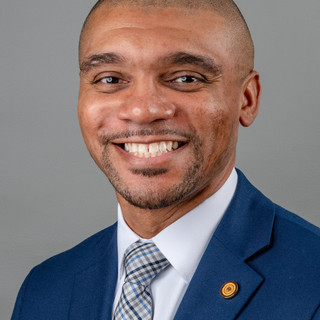
Farmers, healthcare leaders, researchers, and community advocates gathered in Raleigh to explore solutions for healthier rural communities, with plans to capture the conversations and ideas in a post-Forum report.

The connections between food, health, and economic opportunity took center stage on October 10 as farmers, healthcare leaders, researchers, policymakers, funders, and community advocates gathered at NC State University's James B. Hunt Jr. Library for the 2026 Rural Food and Health Forum.
The daylong gathering brought together perspectives from across North Carolina and beyond to examine some of the most pressing challenges facing rural communities, from healthcare access and chronic disease to farmer sustainability, food distribution, and economic development.
Organized by the Green Rural Redevelopment Organization (GRRO) and the Eva Clayton Rural Food Institute in partnership with NC State University's Institute for Emerging Issues, the Forum explored how existing resources, innovative programs, and cross-sector partnerships could help create healthier communities and stronger rural economies.
A central theme throughout the day was the need to move beyond discussing challenges and toward building the relationships, infrastructure, and sustainable investments necessary to address them.

A Focus on Prevention and Rural Health Transformation
The Forum opened with greetings from organizational leaders, remarks from former Congresswoman Eva Clayton, and a video message from North Carolina Governor Josh Stein.
Dr. Rachel Keever, President and CEO of the Foundation for Health Leadership & Innovation, delivered the morning keynote, From Prevention to Transformation: Building Healthier Futures for Rural Communities.
Her presentation focused on the importance of addressing the conditions that shape health and well-being, including access to nutritious food, preventive healthcare, and community-based resources. The session highlighted opportunities to connect healthcare delivery with broader efforts to prevent chronic disease and improve rural health outcomes.

North Carolina's Rural Health Transformation Program was another major focus of the morning. Maggie Woods, Director of the program, joined Laurie Stradley of Impact Health, Sarah Frei of Vaya Health, and Kelsey Accordino of UNC Health for a plenary discussion examining the state's efforts to strengthen healthcare delivery for nearly three million rural North Carolinians.
The conversation explored how new investments, regional partnerships, workforce development, and community-driven approaches could improve healthcare access and create more sustainable rural healthcare systems.
Woods also led a separate session that provided participants with a deeper overview of the program and its potential implications for rural communities.

Connecting Food and Healthcare
The growing Food Is Medicine movement was a central part of the Forum's discussions.
A national plenary featuring Rochelle Bellin of DAISA, Sam Hoeffler of the National Produce Prescription Collaborative, Alexis Hoyt of Reinvestment Partners, and Dr. Dariush Mozaffarian of the Tufts Food is Medicine Institute examined how nutritious food could become a more integrated part of healthcare delivery.
The discussion focused on emerging research, produce prescription programs, and lessons from initiatives across states, particularly in rural communities where transportation, food access, and healthcare infrastructure can present significant challenges.
Beyond the potential health benefits, the Forum explored how Food Is Medicine programs could create new economic opportunities for local farmers and strengthen regional food systems.
Several breakout sessions examined what it would take to move these initiatives beyond short-term pilot programs. Topics included sustainable financing, institutional purchasing, food distribution infrastructure, technical assistance, and partnerships among healthcare organizations, farmers, and community-based organizations.
Dr. Sonya Jones of Caja Solidaria facilitated a participatory workshop on the financing and infrastructure needed to sustain Food Is Medicine initiatives, while Aaron Rimmler-Cohen of Farm Sanctuary introduced the Food System Shift initiative and its approach to connecting healthcare demand with regional food production and distribution.

Putting Rural Farmers at the Center
While healthcare transformation was a major focus, the Forum also highlighted the essential role of small farmers in improving food access and strengthening rural economies.
Patrick Brown, Rev. Richard Joyner, Elvin Eaton, and James Smith participated in a session examining the opportunities and challenges rural farmers face in getting fresh, locally grown food to families, communities, and institutions.
The discussion addressed issues such as access to markets, distribution networks, farmer sustainability, and the potential for stronger relationships with healthcare providers and community organizations.
Another session explored how rural food hubs could help bridge the gap between local farms and the people and institutions purchasing food.
Monica McCann of Resourceful Communities joined representatives from Farmer Foodshare and Men & Women United for Youth and Families, along with Resourceful Communities Deputy Director Dave Walker, to examine how aggregation, distribution, and regional partnerships could expand healthy food access while creating more reliable markets for farmers. The role of small farmers in North Carolina's broader food system was also examined during an afternoon panel featuring leaders from the Center for Environmental Farming Systems, Carolina Farm Stewardship Association, and RAFI's Come to the Table program. Together, the sessions highlighted the importance of viewing farmers not only as food producers, but also as essential partners in community health and rural economic development.

Research and Innovation Offer New Possibilities
The Forum also explored how scientific research, technology, and workforce development could shape the future of rural food and health systems.
During the afternoon keynote, Dr. Rohan A. Shirwaiker, Director of the Bezos Center for Sustainable Protein at NC State University, discussed emerging food technologies and their potential to support more diversified, sustainable, and resilient food systems.
His presentation examined the intersection of research, advanced manufacturing, workforce development, and partnerships, including opportunities for rural communities to participate in an evolving food economy.
Researchers from Duke University's Rural Health Equity Hub and Edible Atlas Lab contributed to the Forum by examining relationships among diet, the microbiome, genomics, and health outcomes.
Meanwhile, Shelby M. Rimmler-Cohen of the UNC Cecil G. Sheps Center for Health Services Research presented work focused on expanding rural medical residency programs and strengthening physician training. That session also introduced a Food Is Medicine Toolkit being developed in partnership with GRRO to help residency programs incorporate nutrition education and connect patients with community food resources.
Other discussions addressed the role of North Carolina's Office of Rural Health in supporting rural hospitals, as well as the importance of public policy, advocacy, and community partnerships in expanding access to healthcare and other essential resources.

Turning Ideas Into Action
One of the Forum's final sessions shifted the focus from presentations to participation.
During the Rural Solutions Exchange: Connecting People, Food, and Innovation for Rural Impact, participants were invited to identify challenges affecting rural food access, healthcare, and community well-being while examining the programs, partnerships, and resources already available in their communities. Facilitated by Sarah Hall of the Institute for Emerging Issues, Aaron Rimmler-Cohen of Farm Sanctuary, and Earline Middleton of the Eva Clayton Rural Food Institute, the interactive session encouraged participants to consider how existing assets could be better connected and where new partnerships or investments might make a difference. The session reflected one of the Forum's guiding ideas: rural communities possess valuable knowledge, relationships, and resources, but greater coordination and investment are needed to maximize their impact.
The afternoon concluded with a conversation about funding rural impact, featuring Paul Ross of Triangle North Healthcare Foundation and David Beck of Self-Help.
The discussion explored the role of philanthropy, strategic investment, and organizational capacity in supporting community-based solutions that can endure beyond individual grants or pilot programs.
From Forum Conversations to a Rural Action Agenda
Although the Forum concluded after a full day of discussions, organizers emphasized that the gathering was intended to be a starting point for continued collaboration rather than a one-time event.
As a next step, GRRO, the Eva Clayton Rural Food Institute, and the Institute for Emerging Issues plan to develop a comprehensive Post-Forum Report that captures the insights, experiences, and ideas shared throughout the convening. The report will draw from keynote presentations, panel discussions, breakout sessions, participant feedback, and the interactive Rural Solutions Exchange to provide a broader picture of the opportunities and challenges facing rural North Carolina.
Importantly, the report will seek to elevate voices from the crowd—the farmers, healthcare professionals, community leaders, advocates, and rural residents whose lived experiences and perspectives are essential to understanding what communities need and what solutions are already taking shape. It will also identify common themes and recurring challenges, including barriers to healthcare and healthy food access, gaps in infrastructure and financing, workforce needs, farmer sustainability, and opportunities for stronger coordination among organizations and institutions.
Beyond documenting challenges, the report will highlight rural solutions—promising practices, existing community assets, innovative programs, and partnership opportunities that could be strengthened, expanded, or adapted in communities across North Carolina.

GRRO and the Eva Clayton Rural Food Institute hope the report will serve as a resource for rural leaders, healthcare organizations, policymakers, funders, researchers, farmers, and community-based organizations seeking to align investments and develop collaborative strategies for lasting impact. The goal is to ensure that the ideas and relationships generated during the Forum help inform future conversations, partnerships, and investments rather than ending when participants leave Raleigh.
For GRRO and its partners, the next chapter will focus on translating the Forum's shared learning into a clearer understanding of rural needs, existing strengths, and opportunities for collective action.
The 2026 Rural Food and Health Forum brought people together around a shared vision for rural North Carolina. The Post-Forum Report will be an important next step in turning those conversations into a foundation for practical solutions, stronger partnerships, and healthier, more resilient rural communities. Stay tuned!

Comments